If your perfect day starts at the helm and ends at a private dock, Harbor Drive and Waterways in Boca Grande belongs on your short list. You want quick Gulf access, dependable depth, and a slip that truly fits your boat and lifestyle. In this guide, you will see how this enclave delivers, what to verify before you buy, and how to plan around bridge and permitting realities. Let’s dive in.
Why Harbor Drive & Waterways stands out
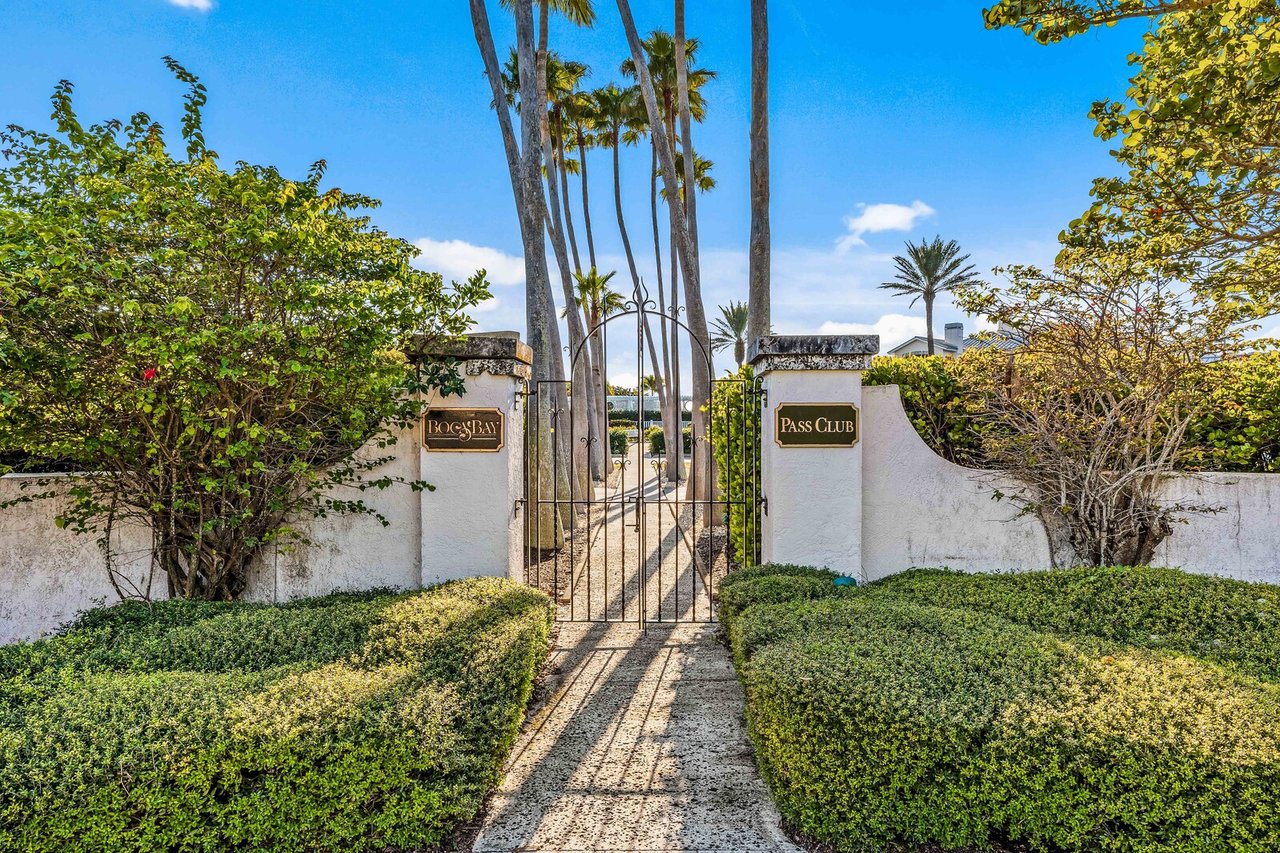
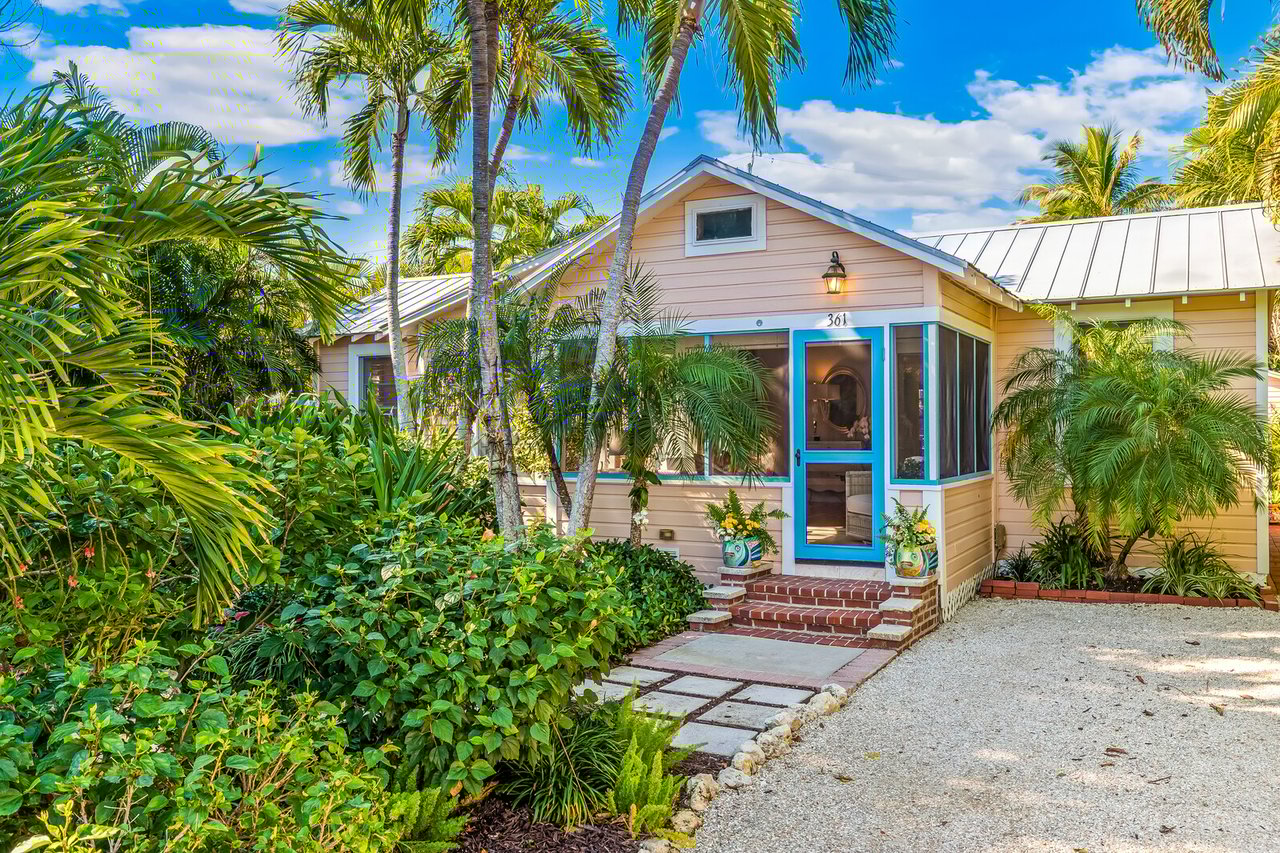
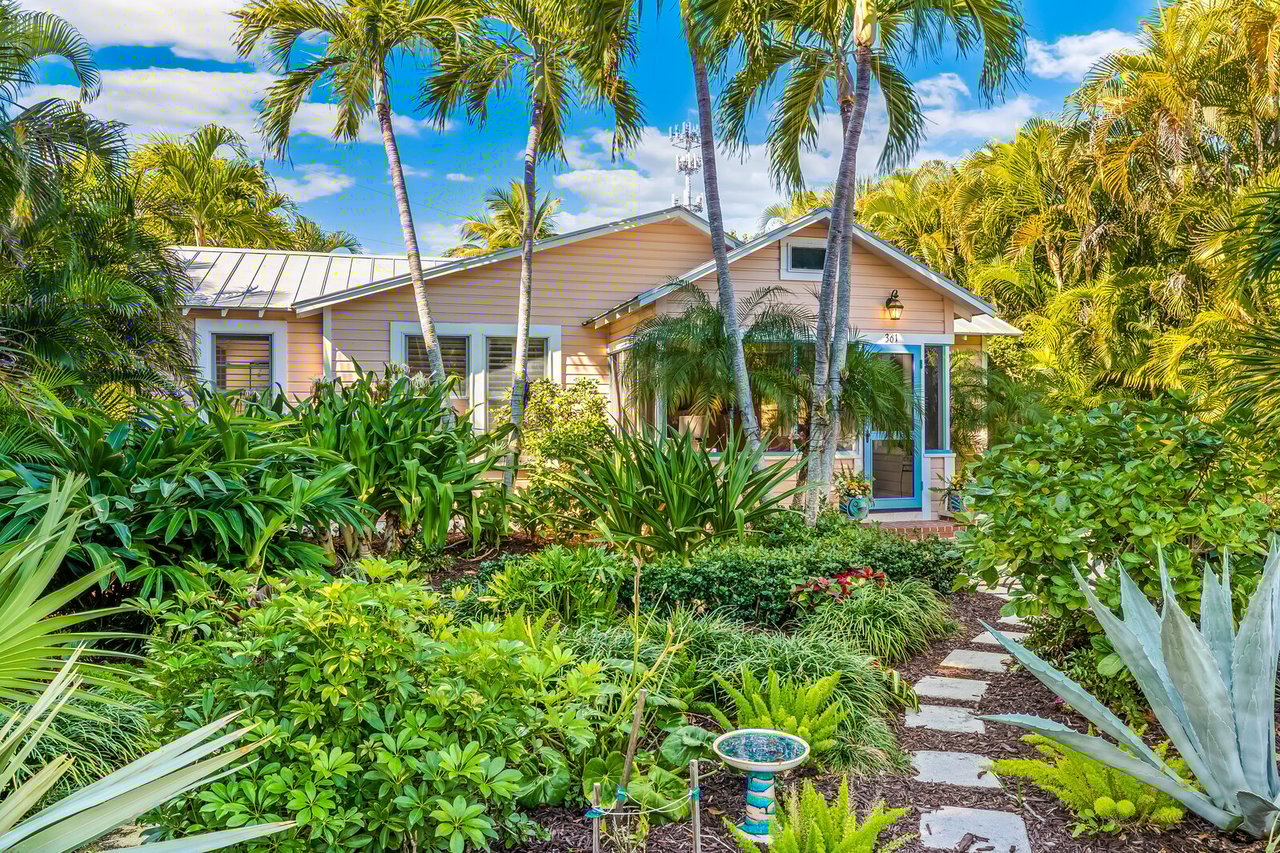
Harbor Drive and Waterways is a small, upscale waterfront enclave within the village of Boca Grande on Gasparilla Island in Lee County. Many homes offer private dockage or deeded slips with direct access to Charlotte Harbor and the Intracoastal. Neighborhood pages describe roughly 60 to 70 residences with a strong boater appeal and a multi‑million‑dollar price band that reflects premium waterfront and improved dockage. You can confirm neighborhood context and market profile on the Steffan•Sieglaff Team’s Harbor Drive/Waterways overview.
Quick boat access: ICW and Gulf
From Harbor Drive canals and channels, you connect to the Gulf Intracoastal Waterway and Charlotte Harbor, then out toward Boca Grande Pass. Local boating guides outline marked channels, shoaling areas, and marinas in Gasparilla Sound and Placida. Study the FWC Boating & Angling Guide for Charlotte Harbor to get a lay of the water, including markers and common cautions.
Boca Grande Pass offers fast Gulf access and world‑class fishing. It is deep and well known, but currents can be strong and approaches can shift. Local knowledge matters in this inlet. Charts and the FWC guide help you plan the approach, but you should always verify current conditions and recent soundings before running a new route.
Bridge clearance: plan for 22 feet
If your yacht has significant air draft, the Boca Grande Causeway swing bridge is your key constraint. The Gasparilla Island Bridge Authority publishes a closed vertical clearance of about 22 feet. Review the current figure and any notices on the GIBA site.
Openings are regulated under federal drawbridge rules. Expect scheduled operations that balance vehicle traffic and marine openings. Check the operating regulations in 33 CFR §117.287 and confirm any temporary deviations before a cruise. If your vessel cannot clear 22 feet, plan for scheduled openings and possible short waits. For larger yachts, you may also consider moorage south of the bridge or Gulf‑side solutions when practical.
Dock types you will find
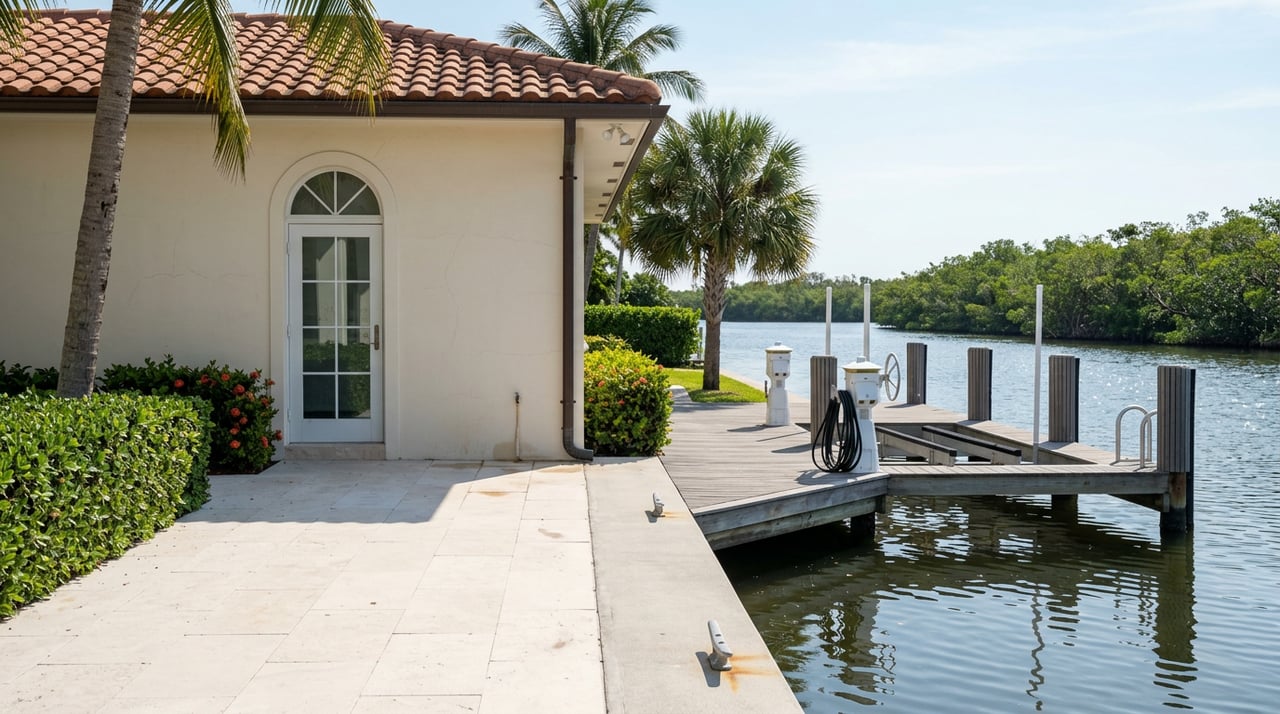
You will see a range of private configurations on Harbor Drive and Waterways, from single‑boat fixed docks to multi‑slip private “mini‑marinas.” Common features include:
- Pile‑supported fixed docks with finger piers
- Covered slips and powered lifts
- Composite decking and shore power
Recent listings in the area have included very long covered berths on select parcels, illustrating that large‑capacity, deepwater dockage exists here. Expect wide variation property by property. If you need a specific slip length, lift capacity, or shore‑power setup, verify on site rather than assuming it can be added later.
Permits and environmental realities
Florida treats dredging, fill, seawalls, and many dock projects as regulated activities. Most material work requires a state Environmental Resource Permit and may require authorization for sovereign submerged lands. Larger or more impactful projects also need U.S. Army Corps of Engineers approval. The state’s ERP guidance outlines the joint process and typical triggers; review the Florida DEP ERP page and the Corps’ steps to obtain a permit.
Charlotte Harbor and Gasparilla Sound include significant seagrass beds and sensitive habitats. Regulators take seagrass protection seriously. New dredging, dock expansion, or prop scarring can trigger surveys and mitigation conditions. The FWC’s overview of native habitats and seagrass is a useful primer.
Practical takeaway: do not assume you can enlarge a dock, add roof structures, increase lift capacity, or dredge a basin. Site conditions drive outcomes. Build time and budget for studies, permit review, and any required mitigation.
Services: fuel, pump‑out, and haul‑out
You have convenient access to fuel, pump‑out, and transient slips on or near the island. For routine needs, reference nearby marina options such as Boca Grande Marina’s listed services. For larger haul‑outs or complex refits, plan to use mainland yards with heavier‑lift travel lifts and service capacity. If you run a larger yacht, map these logistics before you commit to a property.
Buyer checklist: verify before you offer
Use this due‑diligence list to match a Harbor Drive or Waterways property to your boat and your cruising plans.
- Water depth at MLW. Ask for current, certified depth readings at the dock and in the approach channel. Charts and guides are helpful, but a recent survey is best. The FWC Charlotte Harbor maps outline channels and shoaling cautions, but site‑specific soundings should guide your decision.
- Bridge air draft. The Boca Grande swing bridge has about 22 feet of closed clearance. Confirm current details with GIBA and plan around scheduled openings. If your mast or hardtop approaches that height, model trips at varying tides and seasons.
- Slip rights and documentation. Determine if the dock or slip is deeded with the lot, assigned by an association, or leased through a private arrangement. The legal form affects financing, insurance, and resale.
- Permit status and feasibility. If you plan changes to a dock, lift, seawall, or any dredging, expect review by the state ERP program and often the Corps. Build time and mitigation cost into your plan. Start with the Florida DEP ERP guidance and the Corps’ permit process.
- Environmental sensitivities. Know where seagrass sits relative to your slips and approach. The FWC seagrass overview explains why regulators limit new impacts.
- Maintenance obligations. Piles, fendering, lifts, and shore power need routine service. If a channel or basin has been dredged in the past, clarify who holds the entitlement to maintain it and how often re‑dredging has been required.
- Flood zones and insurance. Many island waterfront homes fall within FEMA special flood hazard zones. Secure the elevation certificate and review potential policy costs early. Lee County publishes mapping and revisions that can affect premiums and building rules; see the county’s FEMA mapping documents.
- Seasonal congestion. Tarpon season, typically late April through July, brings exceptional fishing and heavy traffic near the Pass. Local operators highlight this peak window; review a charter overview to understand timing, like this Boca Grande tarpon charter page. If you prefer quiet cruising, plan departures and returns outside peak times.
- Crew and support. Some properties can comfortably house crew or support staff, but on‑site accommodations depend on local codes and the specific home. Verify allowances during due diligence.
How to choose the right property
Start with your boat’s numbers. Air draft, beam, draft at full load, and shore‑power needs will narrow your options quickly. Next, match the slip and approach depth to your draft at Mean Low Water. If your yacht cannot clear the closed span at 22 feet, audit bridge operations and routes you plan to run most often. Consider whether you prefer to keep the vessel behind the house, in a nearby marina, or through a mixed strategy that uses both.
If you expect to add a larger lift or rework the dock, weigh permitting feasibility early. Locations with existing deepwater slips and proven approach depth reduce risk. Properties that already include covered slips or multiple berths can also support guest boats and tenders without major construction.
Finally, think through lifestyle rhythm. If you love tarpon season energy, living close to the Pass is a plus. If you prioritize low‑traffic cruising, look at canal orientations, exposure to weekend traffic, and proximity to marinas for quick fuel and pump‑outs.
Work with a local steward
Harbor Drive and Waterways offer a rare mix of island living and serious boating access. The best results come from pairing on‑water due diligence with neighborhood insight and careful review of permits, surveys, and flood data. When you are ready to explore specific homes, connect with a local team that lives the boating lifestyle and knows every canal, slip, and bridge schedule by heart.
If you are weighing a sale, now is an ideal time to align presentation and pricing with what today’s boaters value most: verified depth, clean documentation, and turn‑key dockage. The Steffan•Sieglaff Team can help you position your property and reach qualified buyers who arrive pre‑matched to your slip. How much is your home worth?
FAQs
What makes Harbor Drive and Waterways ideal for boaters in Boca Grande?
- You get direct Intracoastal and Charlotte Harbor access, quick runs to Boca Grande Pass, and many homes with private dockage or deeded slips, as outlined in the neighborhood overview.
How high is the Boca Grande swing bridge when closed?
- The published closed vertical clearance is about 22 feet; confirm current figures and any notices with the Gasparilla Island Bridge Authority and review the federal operating rule in 33 CFR §117.287.
Can I enlarge a dock or dredge a basin behind a Harbor Drive home?
- It depends on site conditions and permits; most material work requires a Florida DEP Environmental Resource Permit and often U.S. Army Corps authorization, with seagrass surveys and possible mitigation.
Where can I find local channel and marina details before buying?
- The FWC Boating & Angling Guide for Charlotte Harbor provides detailed maps of channels, markers, and local cautions, and marina listings indicate available fuel and pump‑out.
Are Harbor Drive homes in a flood zone and how does that affect insurance?
- Many island waterfront properties fall within FEMA special flood hazard zones; review elevation certificates and Lee County FEMA mapping documents early to understand potential premiums and building rules.