Shopping for a home on Boca Grande can feel like choosing between great and greater. Do you want a walkable village lifestyle, a private club setting, or a quiet waterfront retreat where your boat sits at the back dock? If you are weighing those choices, you are not alone. In this guide, you will learn how each Boca Grande neighborhood lives day to day, what to compare, and the due diligence that helps you buy with confidence. Let’s dive in.
How to frame your search
Start with lifestyle. Do you picture mornings walking to coffee in the village, or afternoons on the water with quick harbor access? Next, decide how much privacy and lot size you want, and whether a club setting fits your routine. Then, look at practical items like flood risk, insurance, HOA rules, and rental policies. Keeping these priorities clear will help you focus on the right streets fast.
Boca Grande neighborhoods at a glance
The Historic District (Village)
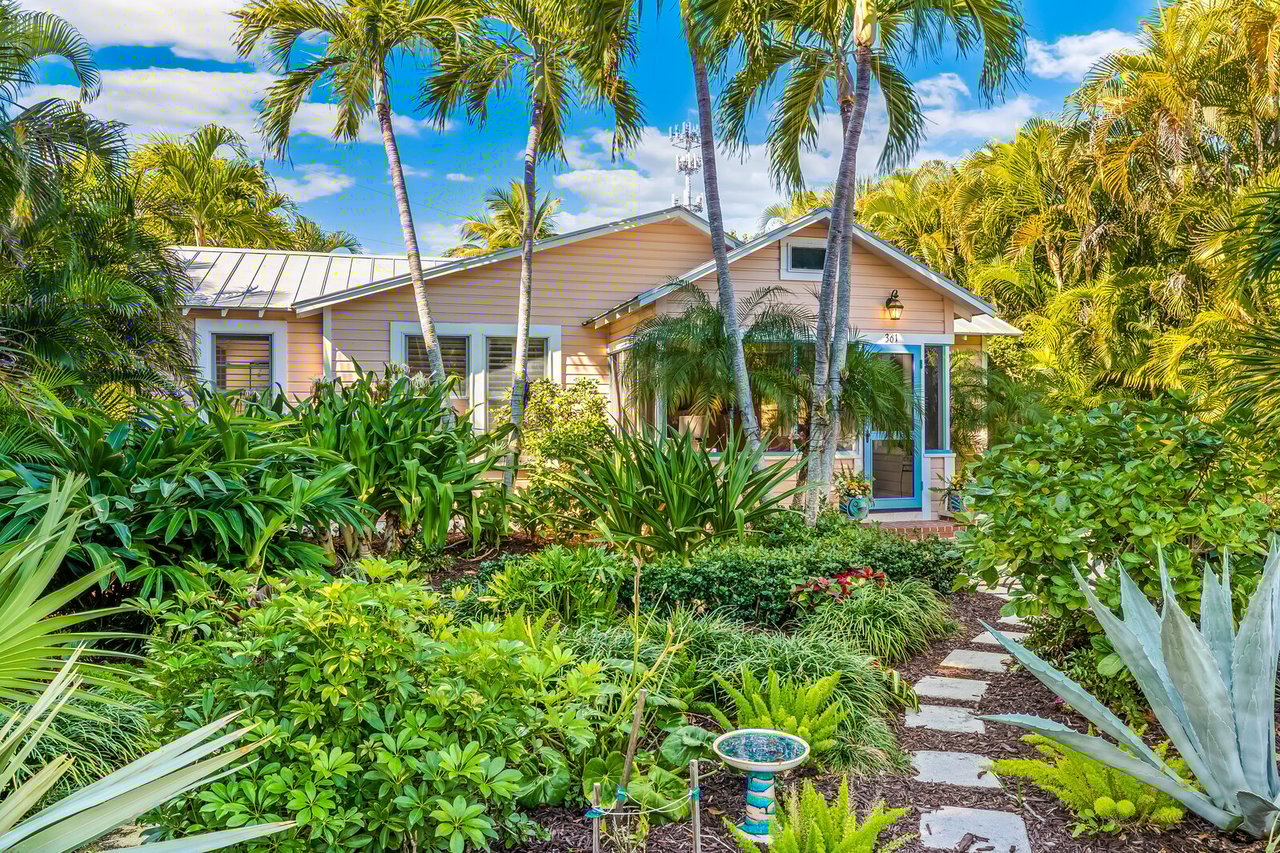
If you want a classic village feel, this is where you spend more time on foot than in a car. You will see restored cottages and bungalows on smaller lots with porches and native landscaping. Shops, dining, beaches, and community events are a short walk. You trade larger yards for charm, character, and convenience.
Boca Grande Club
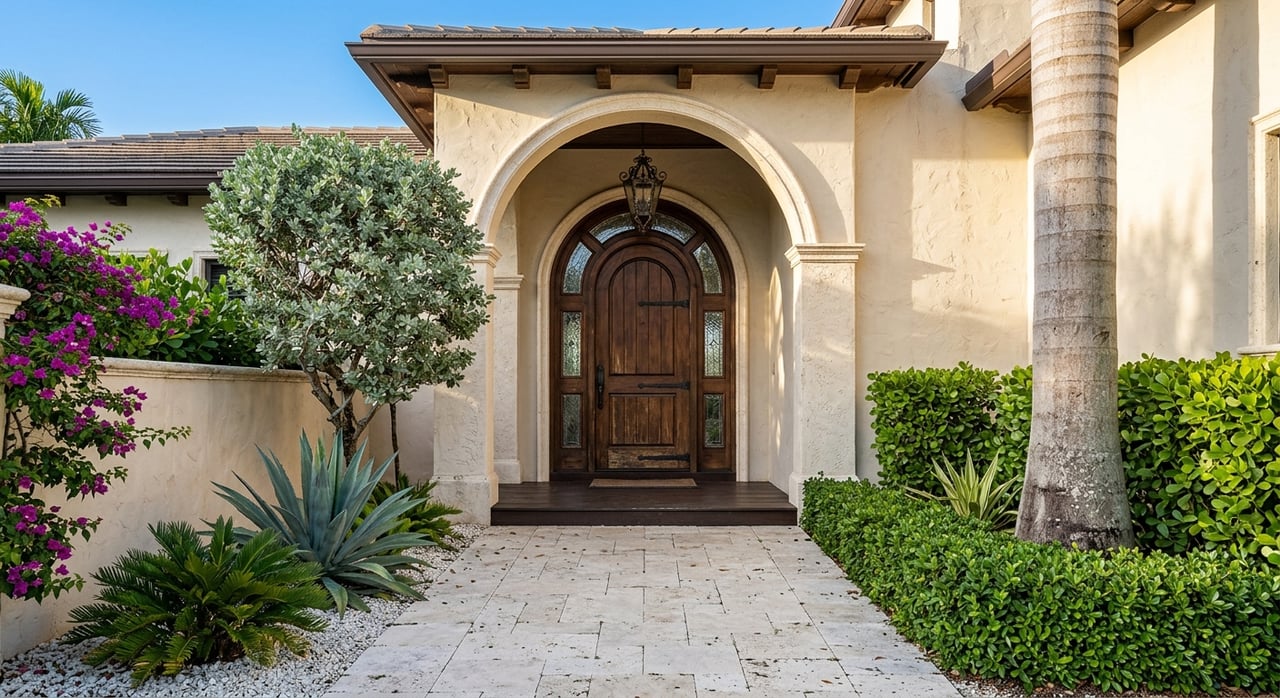
For a private, full‑service setting, the Boca Grande Club offers a gated experience with on‑site amenities. Many homes are custom builds with higher‑end finishes and larger lots. You can enjoy golf, tennis, dining, and club programs close to home. This lifestyle suits owners who value security, services, and a resort rhythm.
Boca Grande Isles
Boca Grande Isles and similar planned enclaves balance neighborhood feel with access to water. You will find single‑family homes built across several decades, with some canal or community dock options. Lots are moderate in size and streets are quiet. It is a good fit if you want water nearby without joining a private club.
Boca Bay, Golden Beach, and North Island
Head north or along the bay and you will notice the quiet. These stretches are known for privacy, views, and a mix of older cottages and larger custom estates. Some properties sit on the Gulf or bay with scenic outlooks and beach or water access. If sunsets and space are your priorities, put these areas on your shortlist.
Harbor Drive, waterways, and canal homes
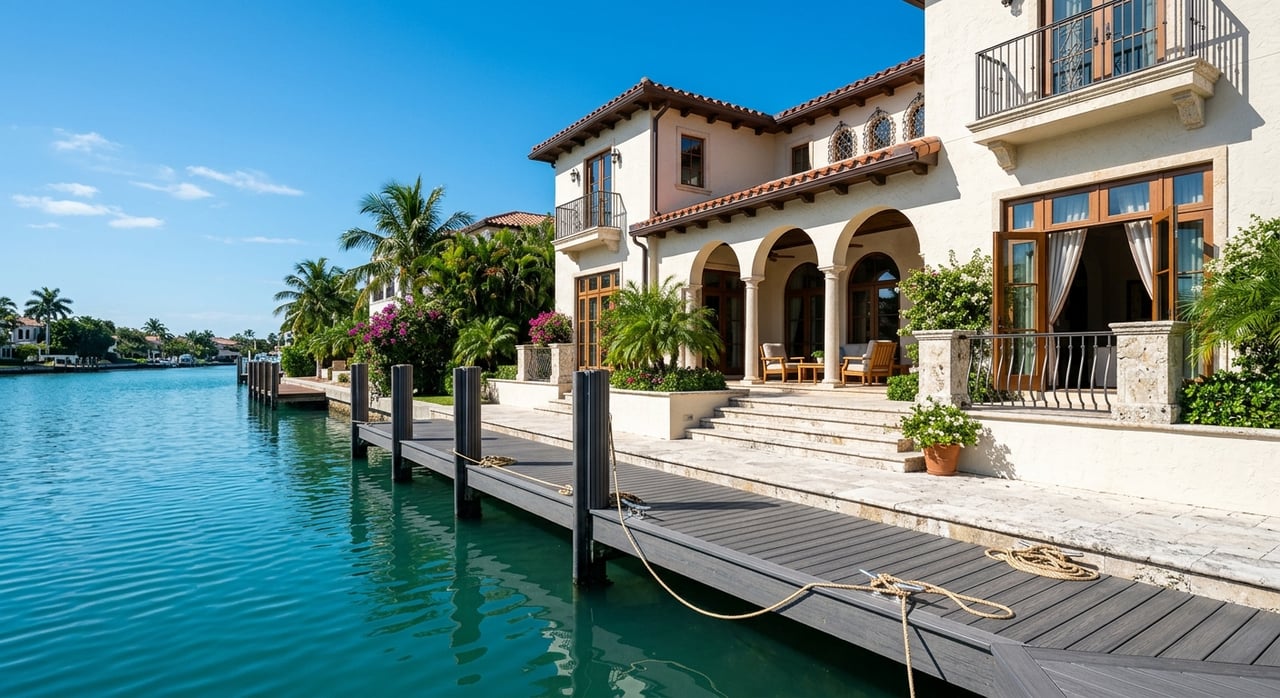
If you are a boater, canal and waterway homes offer private docks, lifts, and quicker routes to Charlotte Harbor and the Gulf. Homes angle toward the water to capture views and make stepping onto your boat easy. Depth, tidal movements, and permits matter here. Plan to verify dock details and seawall condition early in the process.
About “Hill Tide” and other informal names
Some names you hear on the island are informal or developer specific. “Hill Tide” is one example to verify. When a small enclave name comes up, ask for the HOA map, the deed description, and the MLS neighborhood polygon. Clear boundaries and documents help you compare apples to apples.
Key tradeoffs to compare
Walkability vs privacy
The village offers the highest walkability to dining and shops. Club and gated neighborhoods trade walkability for services and security. North island and beachfront stretches are the quietest, with fewer immediate commercial amenities.
Water access and boating
Gulf frontage means direct beach access. Bayfront often provides calm water and wide views. Canal and waterway properties deliver private docks and quicker access for fishing and cruising. Verify dock permits, water depth, and tidal constraints with local experts and county permitting.
Lot size and views
Village lots run smaller with less privacy. Club and estate settings offer larger parcels and mature landscaping. North island and bayfront areas can deliver broad views and greater separation from neighbors.
Architectural rules and design freedom
Historic areas and some covenants may include design review and exterior standards. Club and HOA communities often have architectural review boards and maintenance rules. If you plan to build or remodel, make sure you understand the process and timelines.
HOA fees and club membership
HOA fees typically cover roads and common areas. Club membership is separate and may include golf, tennis, dining, and programs. Some enclaves make club membership optional, others require it. Always request the documents and fee schedules.
Rentals and income potential
Short‑term rental rules vary by neighborhood and association. Private clubs may limit or prohibit rentals. If you plan to rent seasonally, confirm minimum stays, caps, and guest policies in writing before you buy.
Insurance and flood risk
Boca Grande is a barrier island with hurricane exposure. Many properties sit in V or AE flood zones, and elevation affects insurance costs. Ask for elevation certificates and get flood and wind quotes early. Building to current code often means elevated foundations for new construction.
Utilities and infrastructure
Some properties connect to county water and sewer, while others may use septic. Septic capacity can limit additions or expansions. If remote work matters, check for reliable Internet options.
Access and transportation
The island has a single bridge for access and evacuation. Drive times to airports like RSW or PGD vary by season and time of day. Plan for seasonal traffic patterns when you choose a location.
Taxes and assessments
Confirm property tax history and any special district assessments. Review any HOA or club capital assessments and planned projects that could affect ownership costs.
Where to verify details
- Use the Lee County Property Appraiser for parcel records, tax history, and year built.
- Check flood zones and Base Flood Elevation at the FEMA Flood Map Service Center.
- Review parcel boundaries and aerials through Lee County GIS.
- For amenities and owner privileges, consult Boca Grande Club membership information.
- Learn about conservation areas and community context via the Gasparilla Island Conservation and Improvement Association and the Boca Grande Chamber of Commerce.
- Confirm water and sewer connections with Lee County Utilities.
- For shoreline rules and coastal permitting, review the Florida Department of Environmental Protection.
Due diligence checklist before showings or offers
- Pull the parcel record and recent taxes from the Lee County Property Appraiser.
- Look up the FEMA flood zone and request the Elevation Certificate from the seller.
- Ask for HOA or club documents, fee history for three years, and any pending assessments.
- If waterfront, request surveys, dock and seawall permits, and any marine engineering reports.
- Get sample wind and flood insurance quotes from a coastal insurance broker.
- Confirm short‑term rental rules and guest policies with the HOA and county.
- Verify sewer or septic status and any planned connection requirements.
- Arrange a coastal home inspection and a separate seawall or dock inspection for waterfront properties.
- Check local ordinances on additions, tree work, and coastal setbacks.
- For boaters, confirm dock depth at mean low and high tides and any permit limits.
Match your profile to a neighborhood
- You want walkable village life: Focus on the Historic District. Expect smaller lots and close proximity to dining and shops.
- You want a private club and services: Consider the Boca Grande Club and comparable gated enclaves.
- You want a private dock and quick harbor access: Look at Harbor Drive, canal homes, and select bayfront locations.
- You want space and scenery: Explore Boca Bay, Golden Beach, and north island properties with bay or Gulf views.
- You want newer construction and a neighborhood feel: Put Boca Grande Isles and similar planned areas on your list.
Your next step
Choosing the right Boca Grande neighborhood starts with clarity on lifestyle, then smart verification of the details that affect day‑to‑day living and long‑term value. If you want a curated shortlist and local nuance on specific streets, the Steffan•Sieglaff Team is ready to help you compare options and line up the right inspections and documents. How much is your home worth?
FAQs
What is the difference between Gulf and bay frontage in Boca Grande?
- Gulf frontage offers direct beach access and open‑water views, while bay frontage often provides calmer water and wide vistas; boating access depends on the specific lot and dock permits.
How walkable is Boca Grande’s Historic District for daily needs?
- The village core is the most walkable area on the island, with quick access to dining, boutiques, beaches, and community events, though lots are smaller and privacy is limited.
What should boaters verify when buying a canal home on Boca Grande?
- Confirm dock permits, seawall condition, and water depth at mean low tide, plus tidal and bridge clearance limits for your boat.
How do HOA fees and club memberships work on the island?
- HOA fees typically cover neighborhood infrastructure and common areas, while private club dues fund amenities like golf, tennis, and dining; some communities require membership and others do not.
How can I check flood risk and insurance factors for a Boca Grande property?
- Review the property’s flood zone and Base Flood Elevation at the FEMA Flood Map Service Center and request the Elevation Certificate to help insurers estimate premiums.