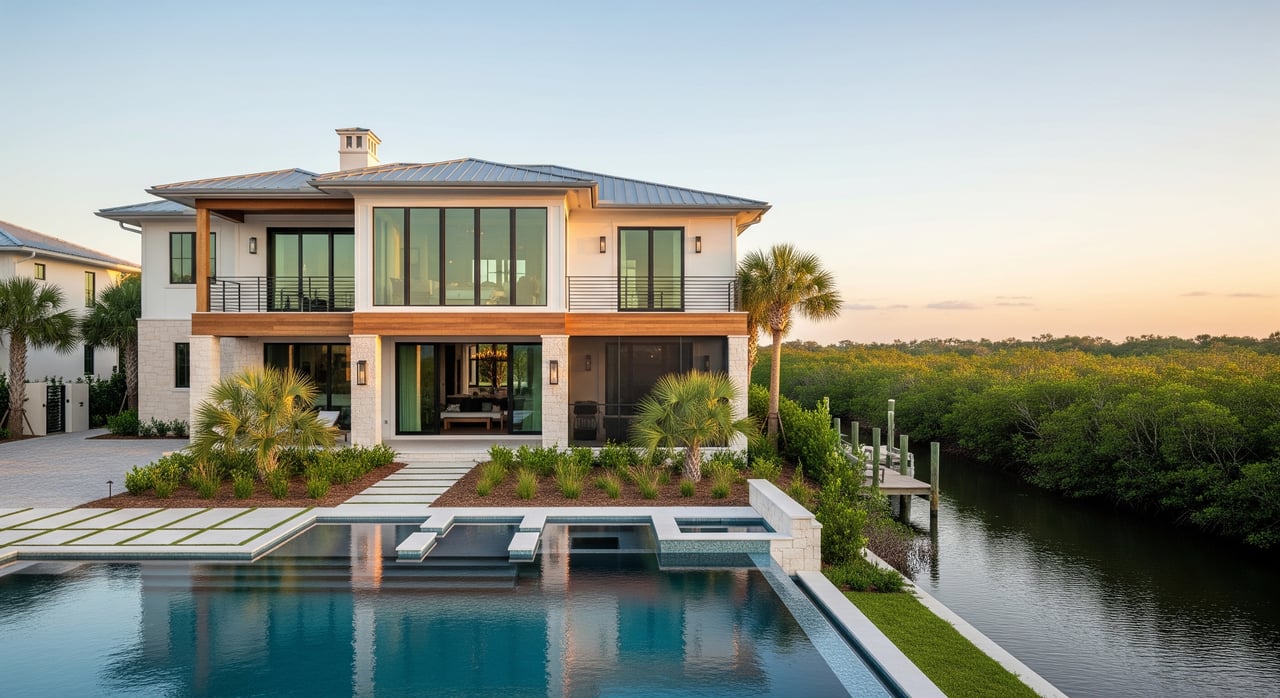
Is a front-row view of Boca Grande Pass calling your name, but you are not sure if Hill Tide is the right fit? You are not alone. Choosing a luxury homesite on the south end of Lee County comes with exciting possibilities and some real planning decisions. In this guide, you will learn how to weigh orientation, views, exposure, design options, and build timelines so you can move forward with confidence. Let’s dive in.
What makes Hill Tide compelling
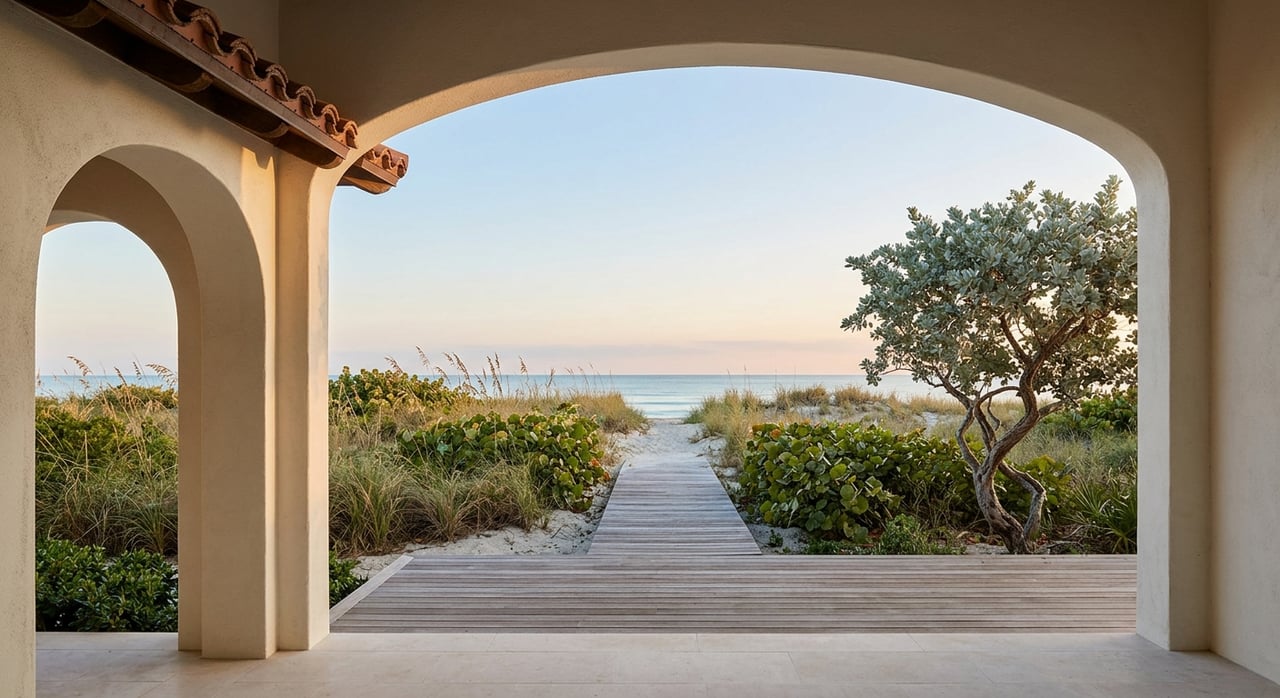
Hill Tide sits near Boca Grande Pass, the navigable channel between Gasparilla Island and the mainland. That geography offers broad open-water vistas, sweeping sunset potential, and close proximity to boat activity. If you value long horizon lines and Gulf light, this location checks the box.
At the same time, waterfront parcels close to the pass can face higher wind and wave exposure. Insurance, elevation, and structural decisions will matter more here than on inland lots. The goal is to balance the views you want with the exposure you are comfortable managing.
Orientation and view trade-offs
Pass and Gulf facing
- What you get: Prime sunset angles and open-water panoramas that often support stronger market value.
- What to weigh: Greater exposure to wave action and storm surge. These lots may fall in V or AE flood zones, which affects construction methods and insurance pricing. You can also expect periodic boat traffic and noise.
Canal, marsh, and tidal channels
- What you get: Protected boat access, wildlife viewing, and mangrove scenery with typically lower direct wave exposure.
- What to weigh: Views may be filtered by vegetation or neighboring homes. Orientation still matters for sun, breezes, and privacy.
Inland or street facing
- What you get: More privacy, less salt and wind exposure, and often simpler insurance and permitting paths.
- What to weigh: You will trade away open pass views, so consider sightline opportunities within your design to capture light and breezes.
Solar exposure and breezes
- Western and southwestern fronts deliver dramatic sunsets but invite afternoon heat. Plan for high-performance glazing and thoughtful shading.
- Afternoon sea breezes are common. Floor plans that open to these winds can reduce cooling loads and make porches, terraces, and lanais more comfortable.
Boat activity, traffic, and noise
- Parcels overlooking the pass will encounter recreational and commercial boat movement. Visit at different times, tides, and seasons to set expectations.
- Proximity to marinas and ramps can be a benefit for boaters, but it may also add parking or traffic at peak periods.
Privacy, setbacks, and vegetation
- Confirm local setback rules and any HOA landscaping standards that affect sightlines.
- Mature mangroves and native buffers can add privacy and storm protection. Removal or trimming may require permits, so plan early.
Flood and coastal risk due diligence
You will want a clear picture of flood risk before you design. Start by confirming the FEMA Flood Insurance Rate Map zone for the specific lot and the required base flood elevation. V zones and AE zones carry different building and insurance implications.
Review storm surge exposure and long-term sea-level trends for the region. NOAA regional data and county resilience plans can guide your thinking on long-term value and insurability. For wind, assume Florida Building Code requirements for opening protection and uplift resistance. Impact glazing or approved shutters are typical.
Key contacts include Lee County Community Development for building guidance, the Lee County Property Appraiser for parcel data, and the local floodplain manager for elevation certificates and map panel clarification. If your project involves shoreline work or wetlands, consult the Florida Department of Environmental Protection and the U.S. Army Corps of Engineers early.
Architectural styles that work here
Coastal Contemporary
Clean lines, large glass to capture views, open interiors, and generous overhangs to shade glazing. This style pairs well with pass-facing lots that prioritize the horizon.
Mediterranean and Spanish Revival
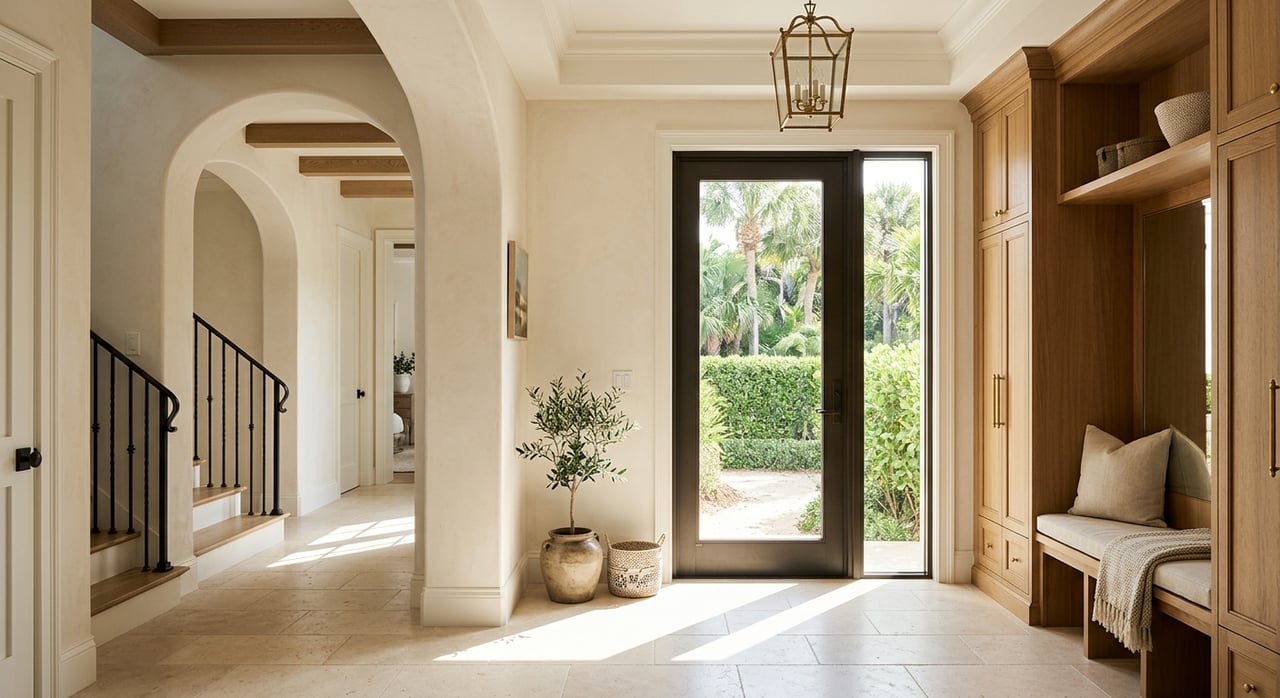
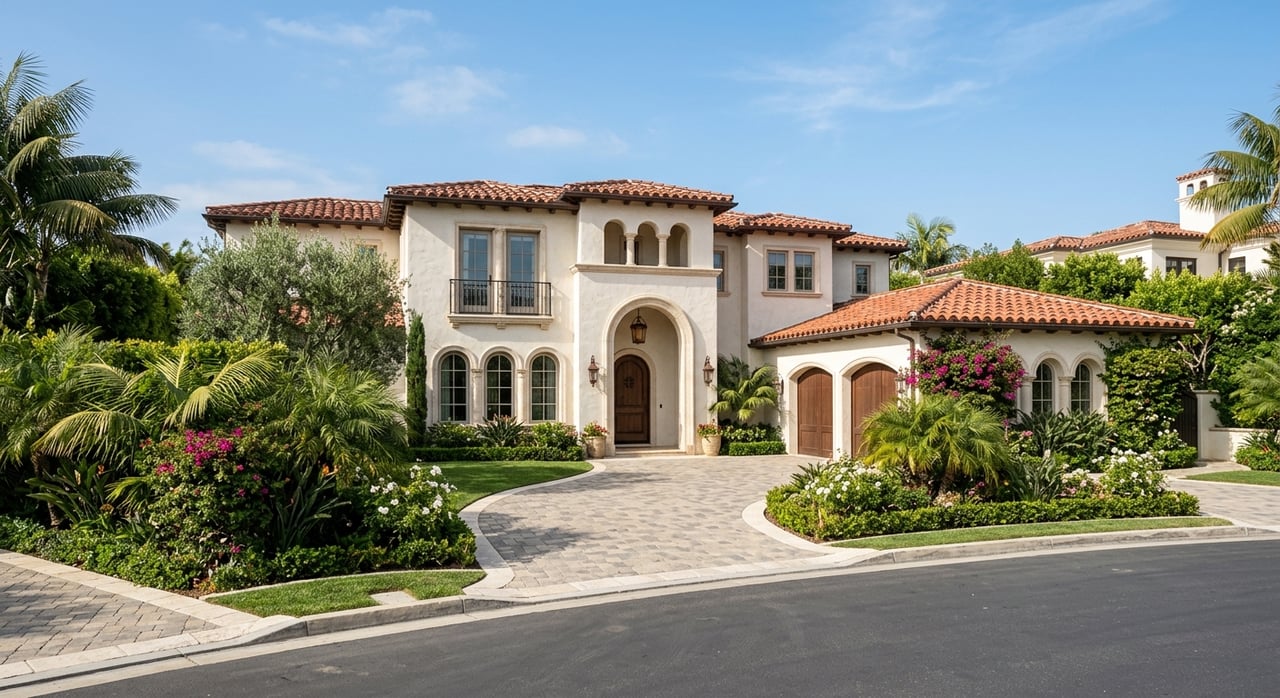
Stucco walls, tile roofs, and arched elements offer a traditional expression suited to coastal climates. Courtyard layouts can create wind-sheltered outdoor rooms.
Bahamian, Caribbean, and Key West inspired
Metal roofs, deep porches, operable shutters, and elevated living spaces emphasize shade and cross-ventilation. These features help tame afternoon heat and salt air.
Transitional coastal
Modern interiors, natural textures, and finely detailed millwork. This middle path gives you the view geometry of contemporary design with a warm coastal palette.
Materials and assemblies for longevity
- Structure and fasteners: Favor corrosion-resistant connectors and hardware, such as stainless or hot-dip galvanized components.
- Openings: Use impact-rated windows and doors or approved storm shutters per Florida Building Code.
- Foundations: Expect elevated solutions. Piles, raised concrete piers, or engineered fill may be required to meet the base flood elevation and any freeboard.
- Envelope: Plan for continuous insulation, careful flashing, sealed penetrations, and hurricane straps to meet wind uplift criteria.
- Exterior finishes: Fiber cement, high-performance stucco systems, engineered wood alternatives, porcelain pavers, and marine-grade coatings hold up best in salt air.
Site design that captures views
- Elevate key living spaces and terraces to frame Boca Grande Pass without overextending the footprint.
- Consider rooftop decks or view corridors where local rules allow, keeping setbacks and height limits in mind.
- Use native, salt-tolerant landscaping for privacy and erosion control, subject to permitting.
- Orient main rooms toward the view and locate service areas and garages on the inland side to shield the home from road exposure.
Build timeline and what to expect
Custom coastal homes require careful planning and realistic schedules. Typical phases run as follows:
- Lot due diligence and closing: 30 to 90 days, depending on title and contract terms.
- Design and planning: 3 to 6 months for architectural, structural, and site engineering, including coastal inputs.
- Permitting: Often 2 to 9 months, driven by floodplain and environmental reviews as well as county workload.
- Construction: Commonly 9 to 18 months for luxury builds. Complex projects can extend to 24 months.
From first contract to move-in, plan on 12 to 30 months. Exact timing depends on site conditions, required foundations or shoreline work, builder backlog, and procurement for long-lead items like windows and custom millwork.
Choosing the right coastal builder
Focus on teams with documented success on elevated foundations, hurricane detailing, seawall coordination, and Lee County permitting. Review portfolios for homes similar in scale and exposure to your target lot and ask for references you can visit in person.
Discuss warranty coverage, post-closing service, subcontractor stability, and strategies for long-lead items. Build contracts should include clear schedules, allowances for selections, and clauses that address permit delays and weather events. The right builder will plan procurement to keep the project on track when supplies are tight.
Budget realities on the water
Your largest line items often tie back to the site itself. Plan for:
- Foundation systems: Coastal piles or deep foundations when required by geotechnical findings.
- Shoreline work: Seawalls, bulkheads, and stabilization if applicable, with related permits.
- Openings and protection: Impact-rated windows and doors, plus hardware and shutters.
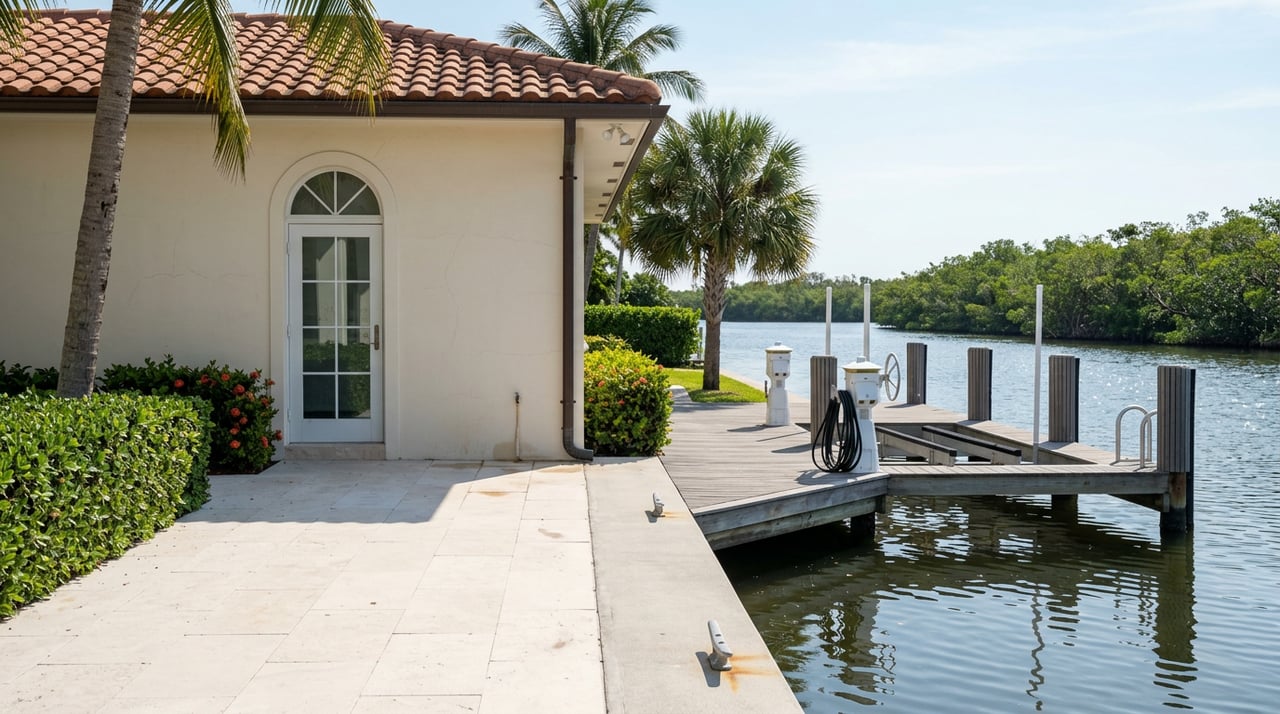
- Outdoor living and marine features: Pools, outdoor kitchens, docks, and lifts can add significant cost.
- Logistics: Tight or waterfront access may require specialized equipment and staging.
How Hill Tide compares to other south-end options
When you compare parcels across the south-end waterfront, weigh these differentiators:
- View quality: Open pass views versus partial or marsh views, and how those sightlines perform year-round.
- Exposure and protection: Flood zone and likely insurance costs, plus your comfort with storm surge risk.
- Boating access: Direct Gulf access, canal depth and width, and proximity to public channels or ramps.
- Community rules: HOA covenants and architectural guidelines that influence design, materials, and permit timing.
- Privacy and setbacks: Lot size, spacing, and the ability to establish buffers.
- Proximity to services: Access to town centers, essentials, and emergency routes for daily livability and resale strength.
A practical buyer checklist
Use this short list to determine fit for a specific homesite:
- Confirm the flood zone and base flood elevation. Request any elevation certificates and review FEMA maps with a local floodplain manager.
- Order a site survey and geotechnical report early to shape foundation and budget decisions.
- Ask for prior permits and any known environmental constraints, including mangrove protections or shoreline armoring.
- Visit the site at different tides, times of day, and seasons to judge sun, breezes, and boat activity.
- Get preliminary budgets from two to three coastal builders. Include allowances for piles, seawalls, and marine infrastructure if needed.
- Review insurance options across property, flood, and windstorm with an independent agent.
- Verify utilities, including sewer or septic, potable water, and power, along with any assessments or fees.
Who to contact and what to gather
- Lee County Community Development and Building Division for coastal construction guidance and permits.
- Lee County Property Appraiser for parcel dimensions and legal descriptions.
- FEMA Flood Insurance Rate Maps or the National Flood Hazard Layer to clarify flood zones.
- Florida Department of Environmental Protection and the U.S. Army Corps of Engineers for shoreline or wetland permitting.
- Florida Building Code and local amendments for structural and elevation requirements.
- NOAA regional tidal and sea-level trend data, plus local resilience plans for long-term risk context.
Start by requesting lot documents from the seller or agent, including surveys, elevation certificates, prior permits, and HOA covenants. If you plan a custom build, retain a coastal Florida architect early so design, engineering, and permitting run in lockstep.
Bottom line
Hill Tide can deliver those rare, cinematic views of Boca Grande Pass along with the south-end lifestyle many buyers seek. The right fit comes from matching orientation and exposure to your comfort level, then partnering with coastal professionals to design for longevity. Plan your due diligence, calibrate the timeline, and you will be positioned to create a home that performs beautifully in this setting.
If you are weighing a specific lot or want a second opinion on orientation, foundations, or budget paths, we are here to help. Connect with the Steffan•Sieglaff Team for discreet guidance, local vendor introductions, and a clear plan for your next step.
FAQs
What is the best homesite orientation for sunsets at Hill Tide Estates?
- Western or west-southwest orientations offer prime sunset views over open water, but expect more afternoon heat and plan for high-performance glazing and shading.
How long does it take to build a custom home in Hill Tide Estates?
- From contract to move-in, expect 12 to 30 months, including 3 to 6 months for design, 2 to 9 months for permitting, and 9 to 18 months for construction.
How do I evaluate flood risk for a Hill Tide lot?
- Confirm the FEMA flood zone and base flood elevation for the exact parcel, review elevation certificates, and discuss V or AE zone implications with your builder and a local floodplain manager.
Which architectural styles perform well near Boca Grande Pass?
- Coastal Contemporary, Mediterranean, Bahamian or Key West inspired, and Transitional coastal styles all work, provided they use impact-rated openings, elevated foundations, and corrosion-resistant materials.
What cost drivers should I plan for when building near the pass?
- Budget for foundations such as piles, shoreline work like seawalls if needed, impact-rated windows and doors, outdoor and marine features, and site logistics on tight waterfront lots.
Who are the key agencies involved in permitting for Hill Tide Estates?
- Lee County Community Development handles building permits, while FDEP and the U.S. Army Corps may review shoreline or wetland impacts, and FEMA resources help confirm flood zones and elevation requirements.